 021- 31589128
 info@yidahospital.com
 Chinese


The Department of Rehabilitation Medicine at Shanghai Yi Da Hospital mainly conducts sports therapy, occupational therapy, rehabilitation assessment, speech, cognitive and dysphagia treatment, motor control disorder treatment, and physical factor therapy.
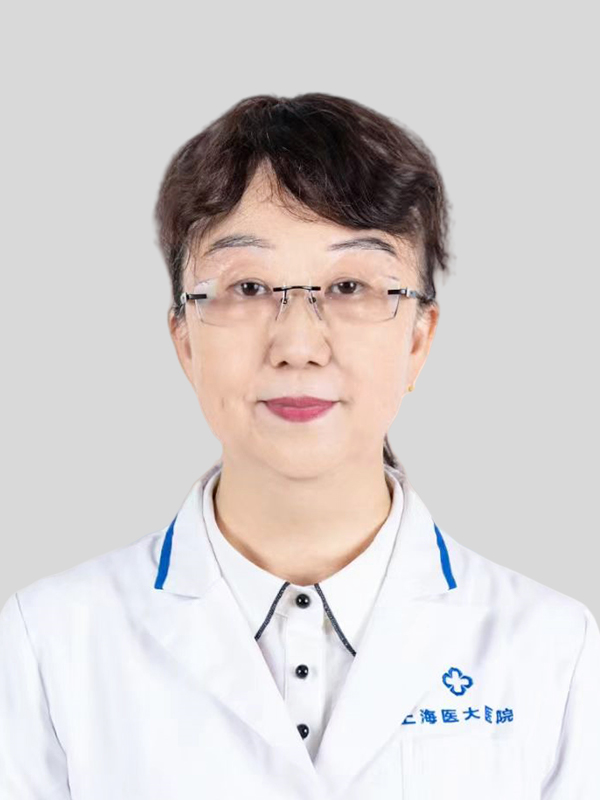
The Department of Rehabilitation Medicine has a professional rehabilitation medical team. The academic leader is Fu Zhaohua, a chief physician and professor. He was a visiting scholar at Creighton University in the United States and has been engaged in clinical work in rehabilitation medicine for more than 30 years. Currently, there are 6 doctors, including 1 chief physician, 3 with intermediate professional titles, and 2 resident doctors. There are 32 rehabilitation therapists, among whom 8 have intermediate professional titles. All rehabilitation doctors and therapists have a bachelor's degree or above, and there are several with master's degrees.
We strictly control the service quality. With professional knowledge, we are actively committed to serving patients and ensuring their satisfaction.
Rehabilitation treatment programs:
1. Exercise therapy: aerobic training, muscle strength training, joint range of motion training, balance training, coordination training, gait training, stretch training, etc.
2. Occupational therapy: activity of daily living training, hand function training, occupational function training, cognitive and perceptual function training, etc.
3. Evaluation and treatment of speech and swallowing disorders: dysarthria, aphasia, dysphagia, memory impairment, disorientation etc.
4. Rehabilitation assessment: measurement of muscle strength and muscle tone; Assessment of activities of daily living ability; Assessment of balance ability etc.
5. Rehabilitation therapy techniques: Brunnstom, Bobath, Rood, PNFPNF (Proprioceptive Neuromuscular Facilitation), McKenzie, Motor Relearning, etc.
6. Physical factor therapy: low frequency electrotherapy, medium frequency electrotherapy, high frequency electrotherapy, radiofrequency thermotherapy, ultrasonic therapy, wax therapy, light therapy, magnetotherapy, biofeedback therapy, traction therapy, Motomed, etc.
Rehabilitation treatment of major diseases:
1. Various disorders caused by stroke and traumatic brain injury: rehabilitation assessment, exercise therapy, speech therapy, swallowing training, activities of daily living training, application of orthotic devices, etc., and home training guidance. The aim is to restore the patient's physical functions in all aspects as much as possible, improve their quality of life, and help them return to their families and society.
2. Recovery of orthopaedic postoperative diseases: exercise therapy, occupational therapy, electrotherapy such as low-frequency electrotherapy, medium-frequency electrotherapy, high-frequency electrotherapy, wax therapy, light therapy and rehabilitation training including assisted walking training and orthosis are used to relieve and eliminate pain, restore function, prevent joint contracture, and prevent muscle atrophy.
3. Cervical and lumbar disc herniation: For patients with cervical and lumbar disc herniation who require conservative treatment, traction techniques are used to promote the partial recovery of the herniated disc. In addition, deep heat therapy combined with interferential current therapy can effectively relieve the patient's pain symptoms and signs.
4. Acute and chronic pelvic inflammatory disease, prostatitis: Local radiofrequency thermotherapy, ultrashort - wave therapy, interferential current therapy, etc. are combined to relieve the patient's symptoms, promote the absorption of inflammation, and dissipate the inflammation.
5. Pelvic floor dysfunction diseases: Biofeedback therapy, pelvic floor magnetic stimulation therapy, light therapy, ultrashort-wave therapy, deep heat therapy, pelvic floor muscle exercise, etc. are combined to relieve patients' symptoms, enhance pelvic floor blood circulation, regulate pelvic floor nerve function, and accelerate the recovery of pelvic floor muscle tension and elasticity.
6. Pneumonia and bronchitis: Local treatment effectively improves the blood circulation of the respiratory system, enabling the inflammation to be absorbed as soon as possible.
7. Recovery of various postoperative wounds: appropriate physical factor treatment is used to reduce local exudation, accelerate wound healing, relieve local swelling pain, and reduce the formation of scars. For some patients after abdominal surgery, adhesion can also be prevented.
8. Scapulohumeral periarthritis and knee osteoarthritis: For scapulohumeral periarthritis, knee joint injuries caused by different reasons, and limited knee joint movement and swelling caused by degenerative changes of elderly bone joints, effective treatment effects can be achieved through the combined treatment of different physical factors.
9. Soft tissue injury: physical factor therapy such as exercise therapy, ultrashort-wave, medium-frequency electricity, wax therapy, infrared ray are used to reduce local exudation, promote rapid tissue recovery, and alleviate patients' pain.

 沪公网安备 31011802004641号